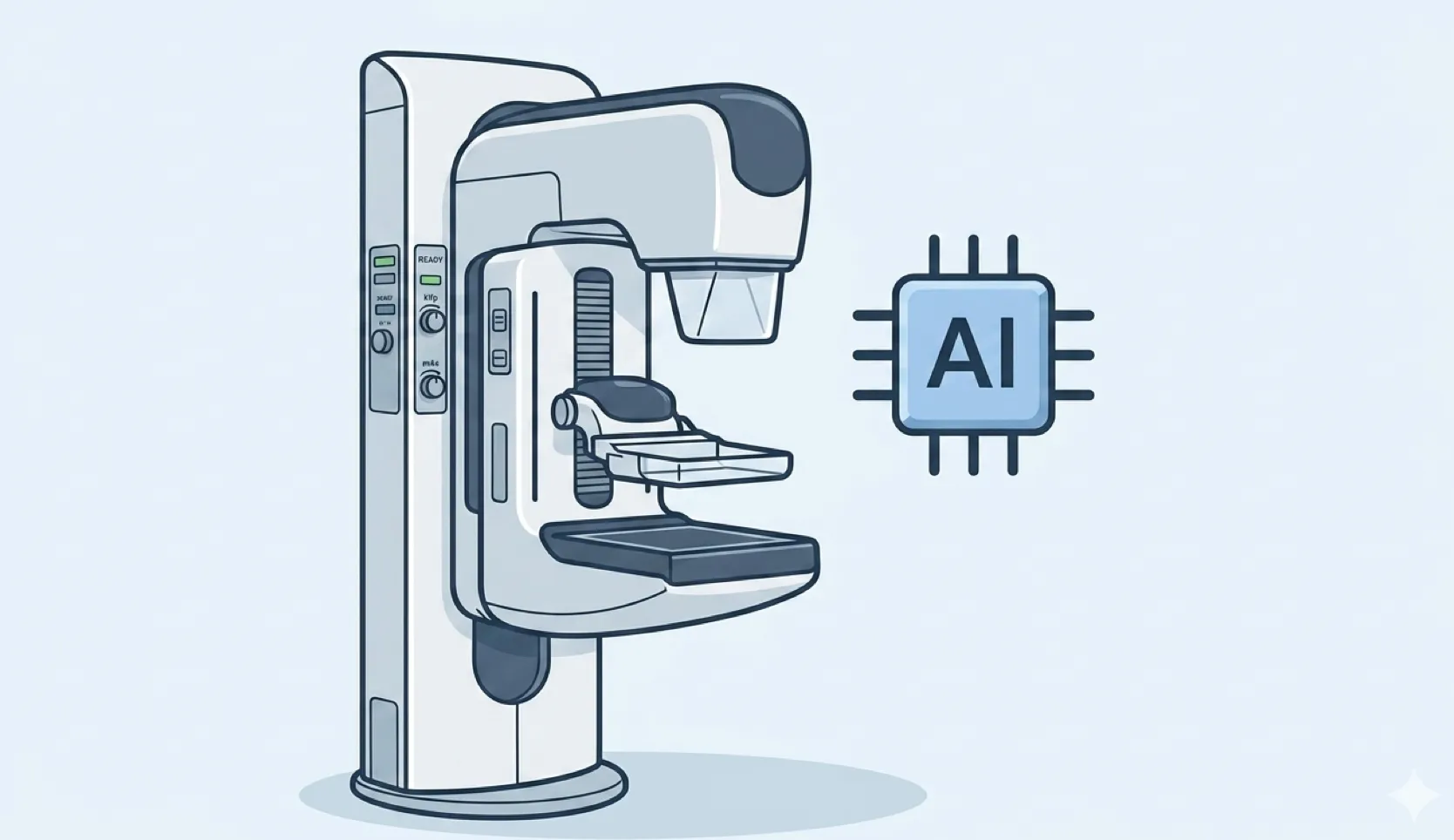
Artificial Intelligence (AI)
Understanding Artificial Intelligence in your Imaging and Cancer Care.
Artificial intelligence (AI) is a computer technology that can support doctors such as radiologists and radiation oncologists in providing care when you need scans or treatment.
AI is now part of many healthcare services, including radiology and radiation oncology services.
This page explains what AI is, how it may be used in your care, and what it means for you as a patient.
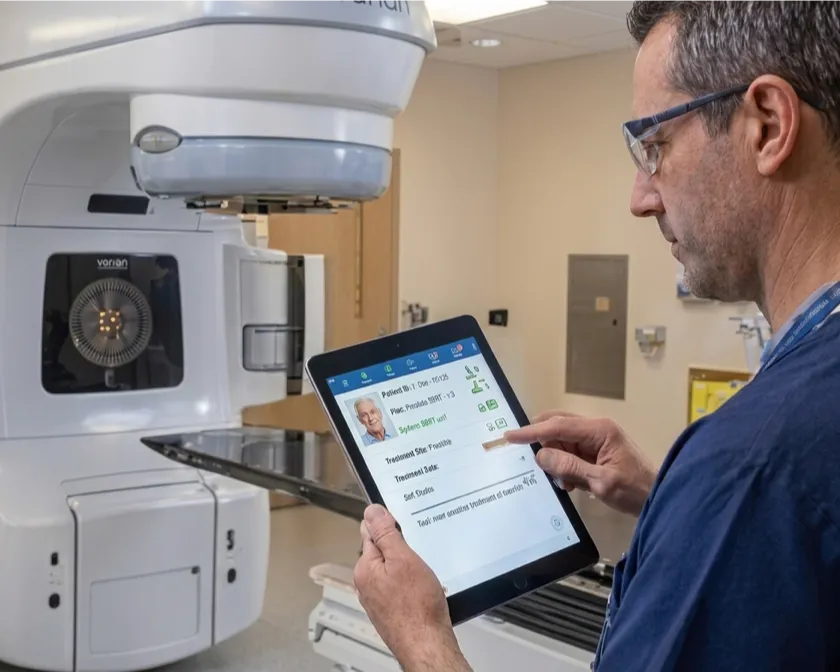
The most important things to know are:
- AI supports your healthcare providers – it does not replace them.
- Qualified doctors and healthcare providers remain responsible for your care at all times.
You are involved in decisions about your diagnosis and treatment.
- Your safety and wellbeing always come first.
1) How is AI used in your care?
AI tools can help your healthcare providers review medical images and, plan cancer treatments more efficiently and precisely.
AI does not diagnose you or decide your treatment on its own. It provides information that your doctors use alongside their training and experience. You remain in control of decisions about your treatment, supported by your doctor.
Before your appointment
- AI can help request and schedule imaging.
- Review your medical history to help your healthcare provider identify anything that may be important for your care such as previous allergic reactions, diabetes, or kidney problems.
During your treatment or scan
Many modern CT and MRI scanners already use AI to:
- make scans faster
- improve image quality
- reduce blur if you move during the scan
During radiotherapy AI may help adjust treatment plans to match small changes in your body, such as tumour size or organ position.
2) Benefits of AI for Patients
AI can help improve your care by:
- Finding small changes and abnormalities in your scans, and supporting your doctor or healthcare provider to reach clearer results
- helping create radiotherapy treatment plans that target the treatment area while protecting healthy tissues.
- working quickly and consistently, which can help doctors and healthcare providers share results sooner and start treatment earlier, with extra checks to support accuracy and safety.
3) Patient consent and choice
AI is increasingly used in healthcare to support timely and effective care. It may be part of the systems used during your imaging or treatment.
Your healthcare provider can help answer questions you have.
In many hospitals and imaging clinics, AI is built into standard systems and may not always be optional. If you have concerns or would like to understand your options, speak with your healthcare provider. They can discuss what choices may be available and help address any concerns.
4) Making sure AI is safe, and accurate
There are measures in place to make sure that AI is performing safely:
- AI tools used in healthcare are carefully checked and monitored to make sure they work correctly.
- AI results are reviewed by healthcare providers. Radiotherapy teams run regular safety checks to make sure treatment plans created with AI are safe and meet medical standards.
5) How your information is used and protected
AI may use your health information, such as scans or medical records, to support your care.
Healthcare services limit who can access your data and use secure systems.
Sometimes anonymised data (where identifying details removed) is reviewed to make sure AI systems are working safely and correctly.
You have the right to ask how your information is being used and how it’s being kept secure.
6) The Future of AI in healthcare
Researchers are always working to find new ways AI can help in areas like radiology and cancer care.
As these tools advance, your healthcare providers will continue to use them carefully, always prioritising your safety, care quality, and the patient-doctor relationship.
7) Examples of AI helping patients
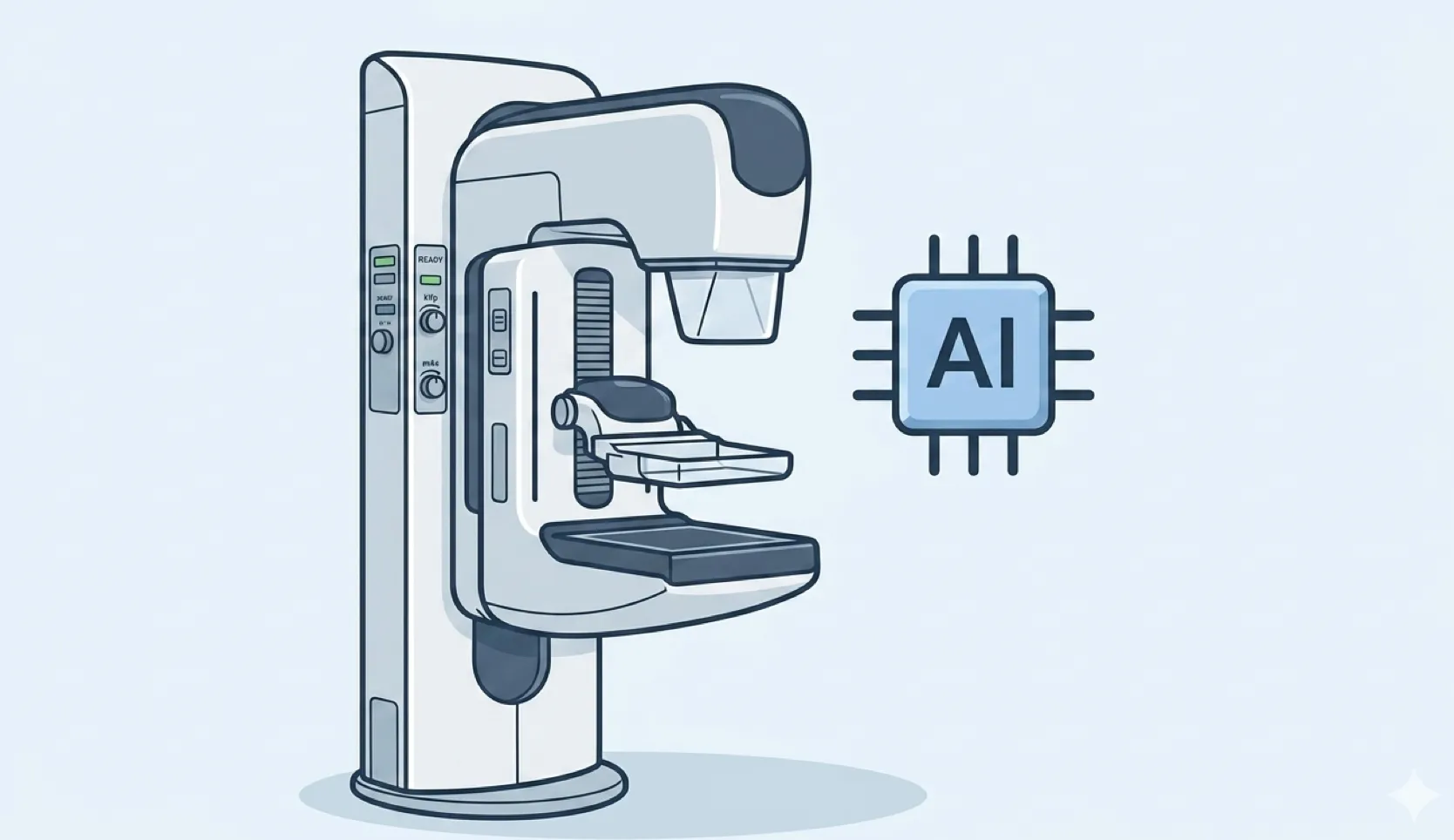
AI is currently used in medical imaging and screening programs.
When AI is used in imaging and screening, it helps your healthcare provider but does not replace them. Your healthcare provider reviews your scans, explains results, and helps you understand your treatment options. You should ask your healthcare provider if you have questions about how AI is used in your care.
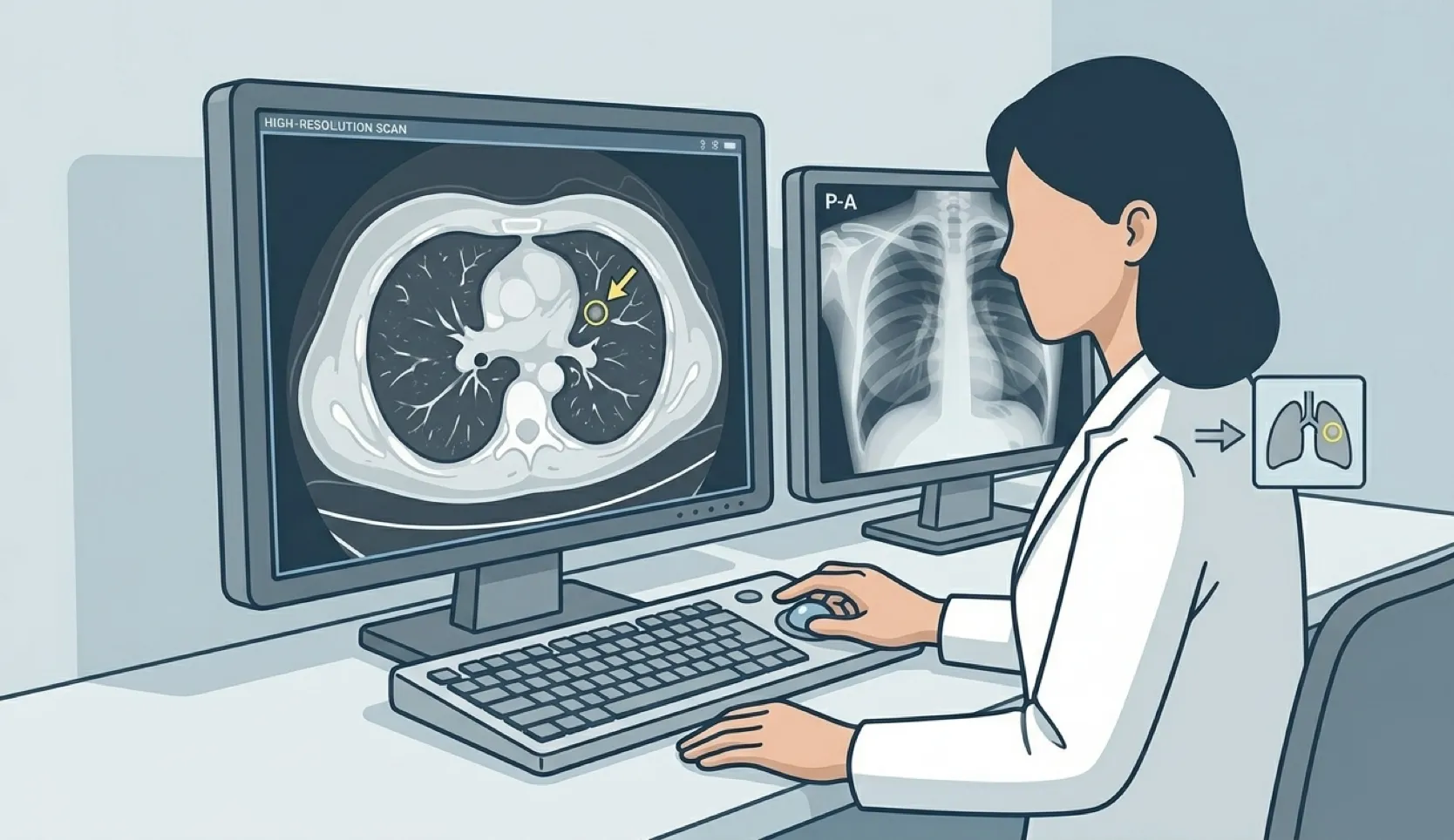
Case study 2: AI in lung scans
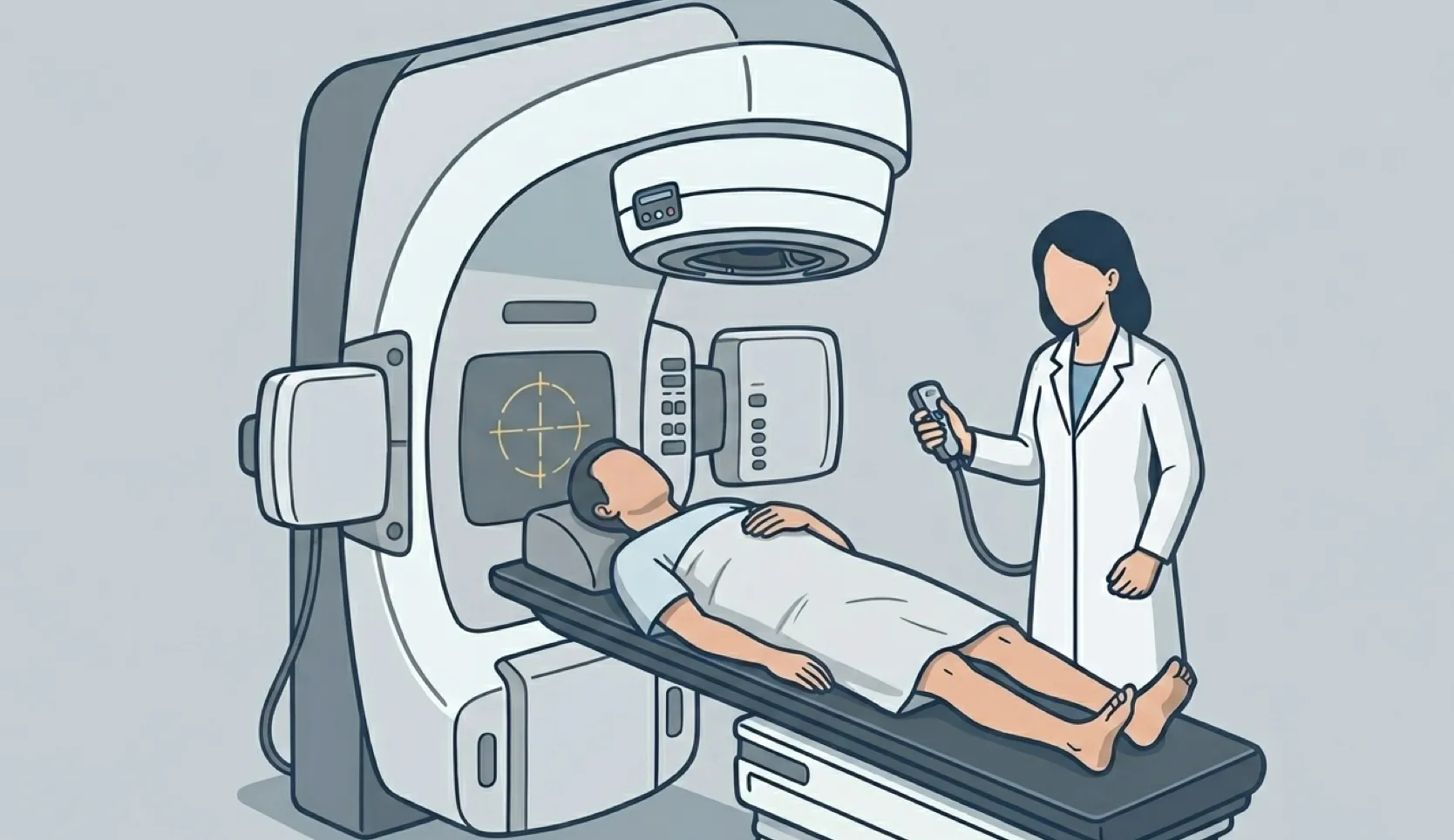
Case study 3: AI in radiotherapy planning
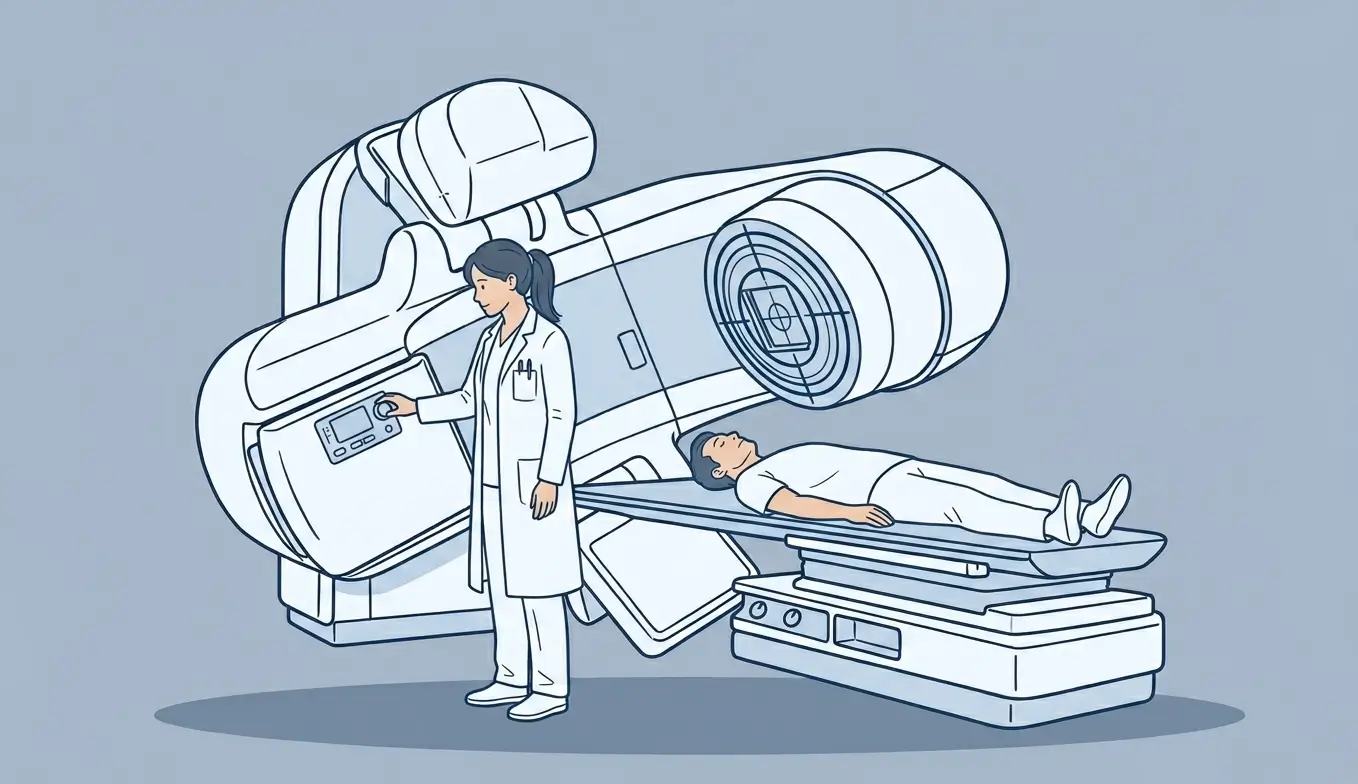
Case study 4: AI during radiotherapy treatment
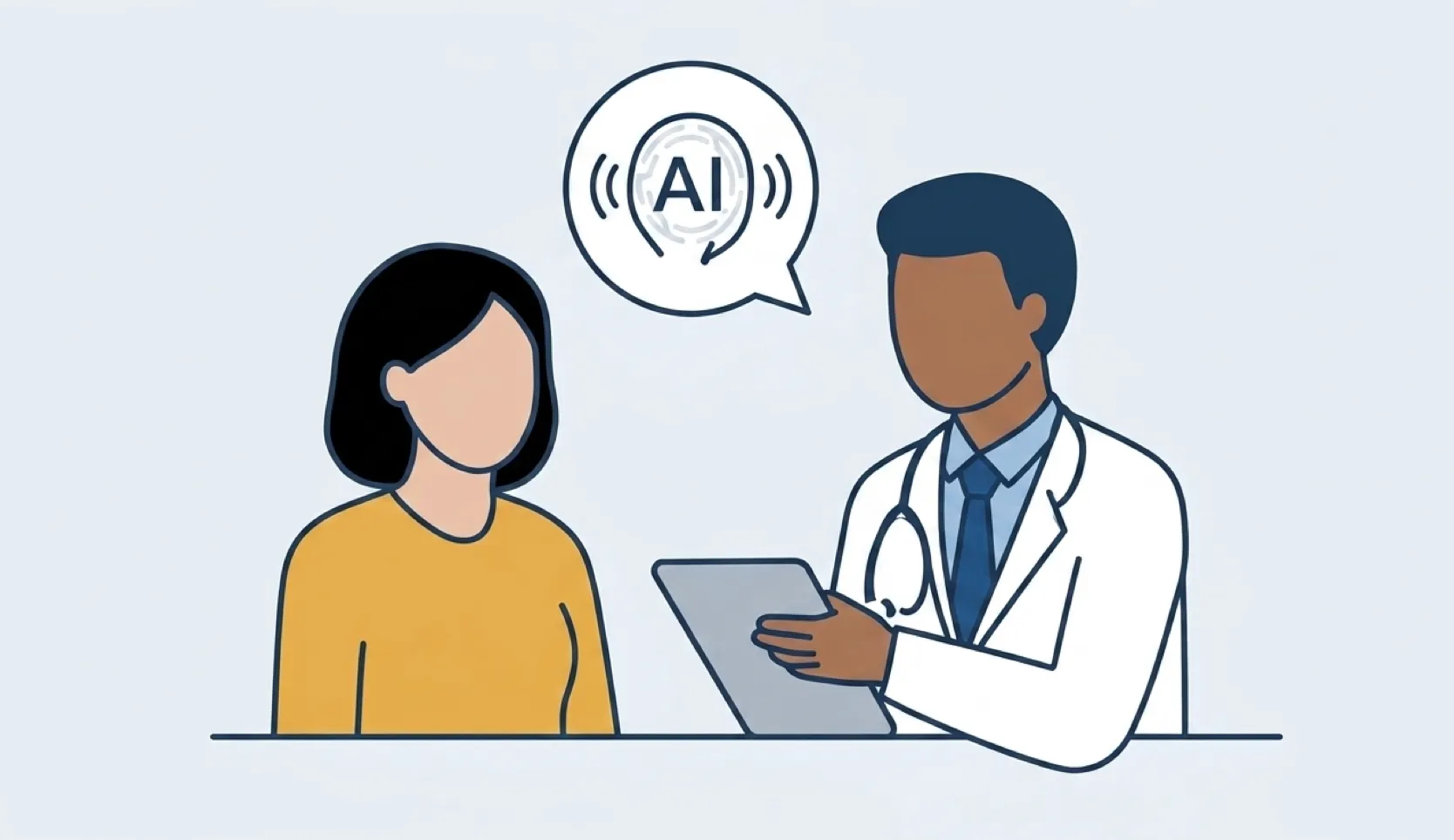
Case study 5: AI in clinic notes
Some images and graphics on this website have been generated or enhanced using artificial intelligence (AI) and are provided for illustrative purposes only.